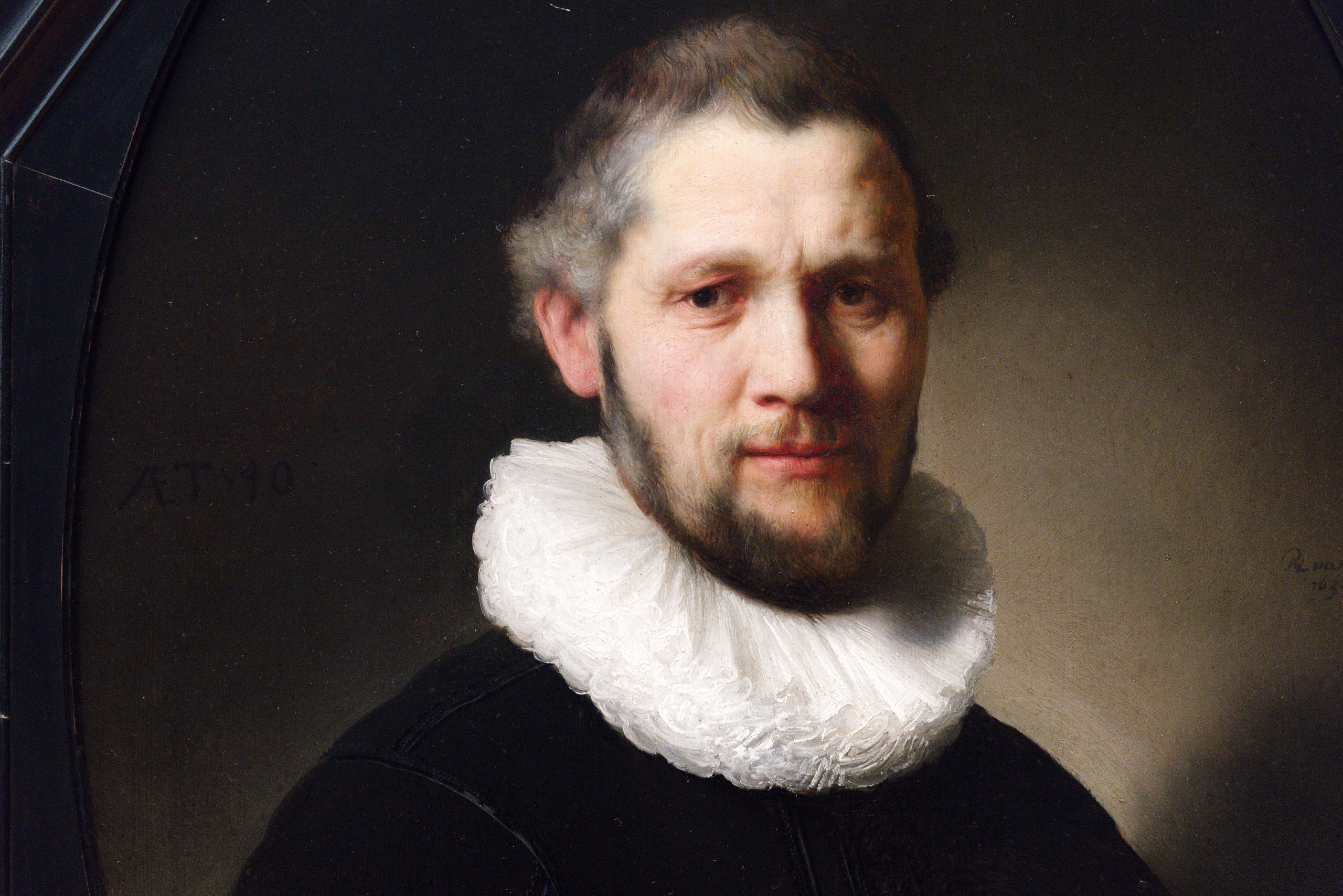

There are lighting setups that illuminate a face. And then there are lighting setups that sculpt it.
Rembrandt lighting belongs to the second category. It allows us to create :dramatic portraits with a single light.
If you have ever seen a portrait where one side of the face falls into shadow while a small, luminous triangle appears beneath the eye on the darker cheek, you’ve already witnessed its power. It is timeless, dramatic, and remarkably simple to create.
Why Is It Called the Rembrandt Lighting?
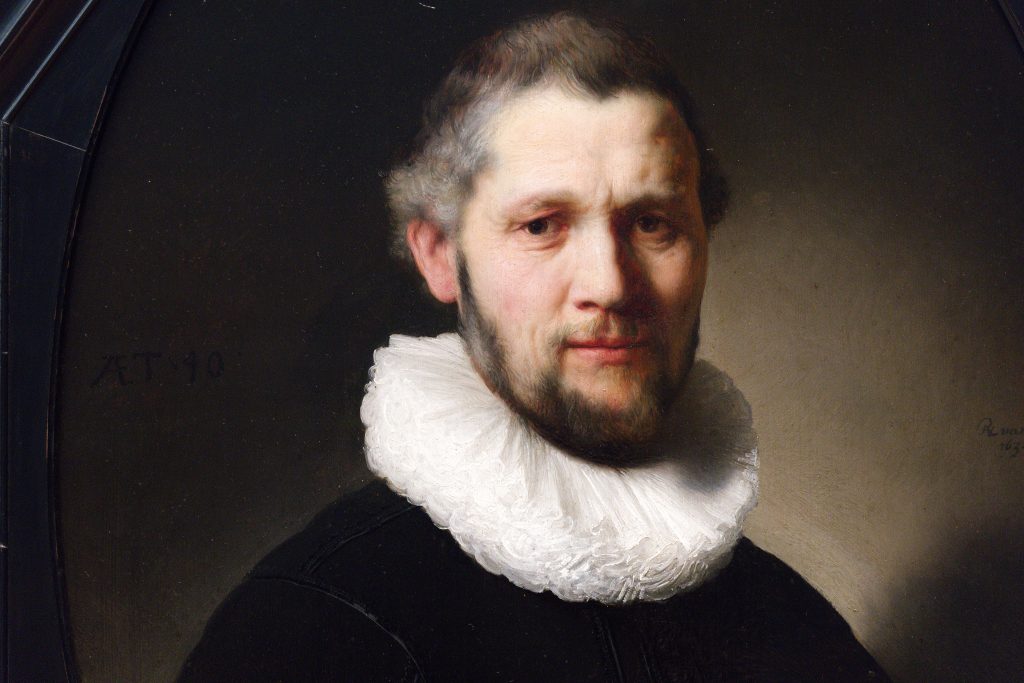
The name comes from Rembrandt van Rijn, the 17th-century Dutch master whose portraits are still studied today for their emotional depth and masterful use of light.
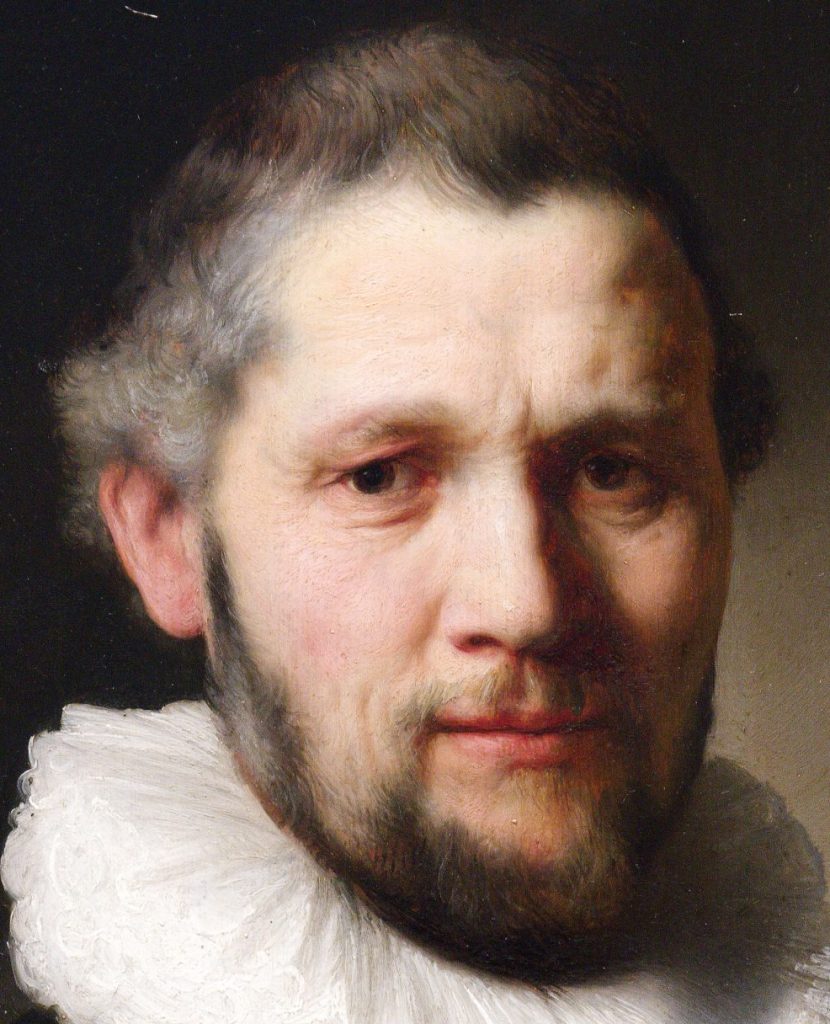
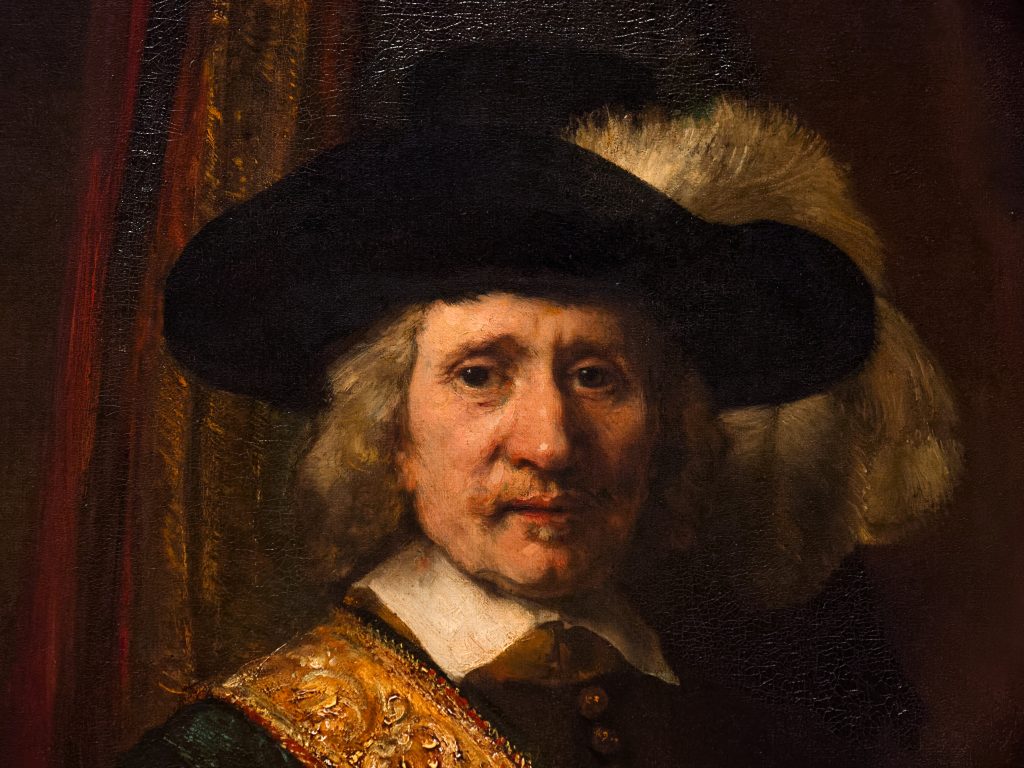
Rembrandt didn’t invent dramatic lighting, but he perfected a specific interplay of light and shadow that became one of his signatures. In many of his self-portraits and commissioned works, he illuminated his subjects from one side, allowing the opposite side of the face to fall into shadow—except for a small, carefully preserved triangle of light under the eye.
That triangle is not accidental. It is structure. It is control. It is intention.
How Rembrandt Used it in His Portraits
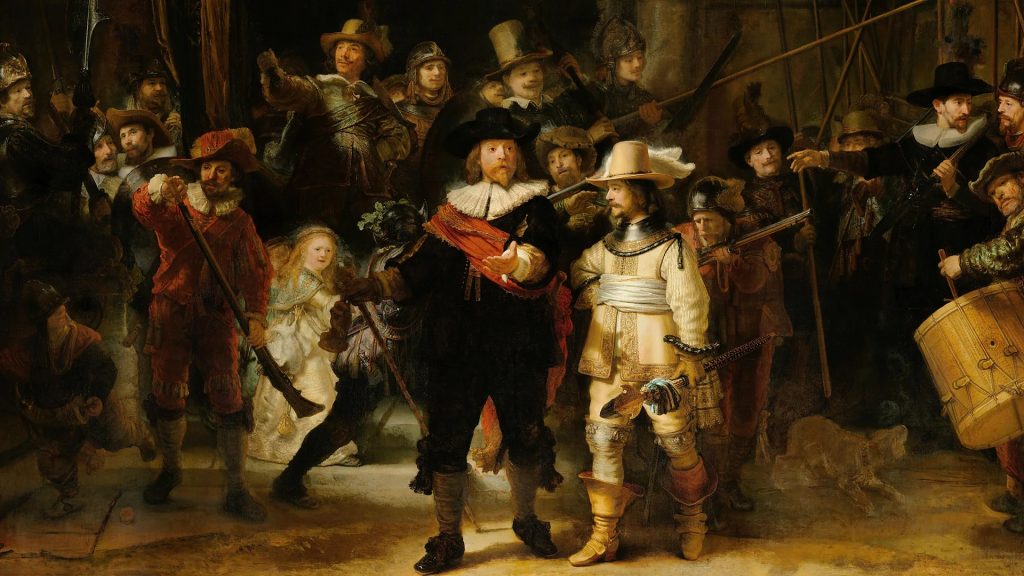
In paintings like The Night Watch and his numerous self-portraits, Rembrandt positioned light so that it carved the face into planes. The forehead, nose, and cheekbone catch the light, while the far side recedes into darkness. But instead of allowing that side to disappear completely, he ensured a sliver of light reached the cheek below the eye.
This subtle detail creates dimension. The face feels three-dimensional, almost tangible. The viewer senses depth, mood, and psychological intensity. The light is not flat—it shapes character.
The Signature Effect: the Triangle of Light
The defining feature of Rembrandt lighting is the small illuminated triangle on the shadow side of the face.
Technically, this triangle appears when the shadow of the nose connects with the shadow of the cheek, leaving a pocket of light beneath the eye. It should be no wider than the eye itself and no longer than the nose. When done correctly, it creates a dramatic yet balanced effect.
The result?
- Strong contrast
- Sculpted facial features
- A cinematic, painterly mood
- Emotional weight
It is dramatic without being theatrical. Powerful without being artificial.
You Only Need One Light
One of the reasons Rembrandt lighting remains so popular is its simplicity.
You don’t need multiple strobes, complex modifiers, or an elaborate setup. A single light source is enough.
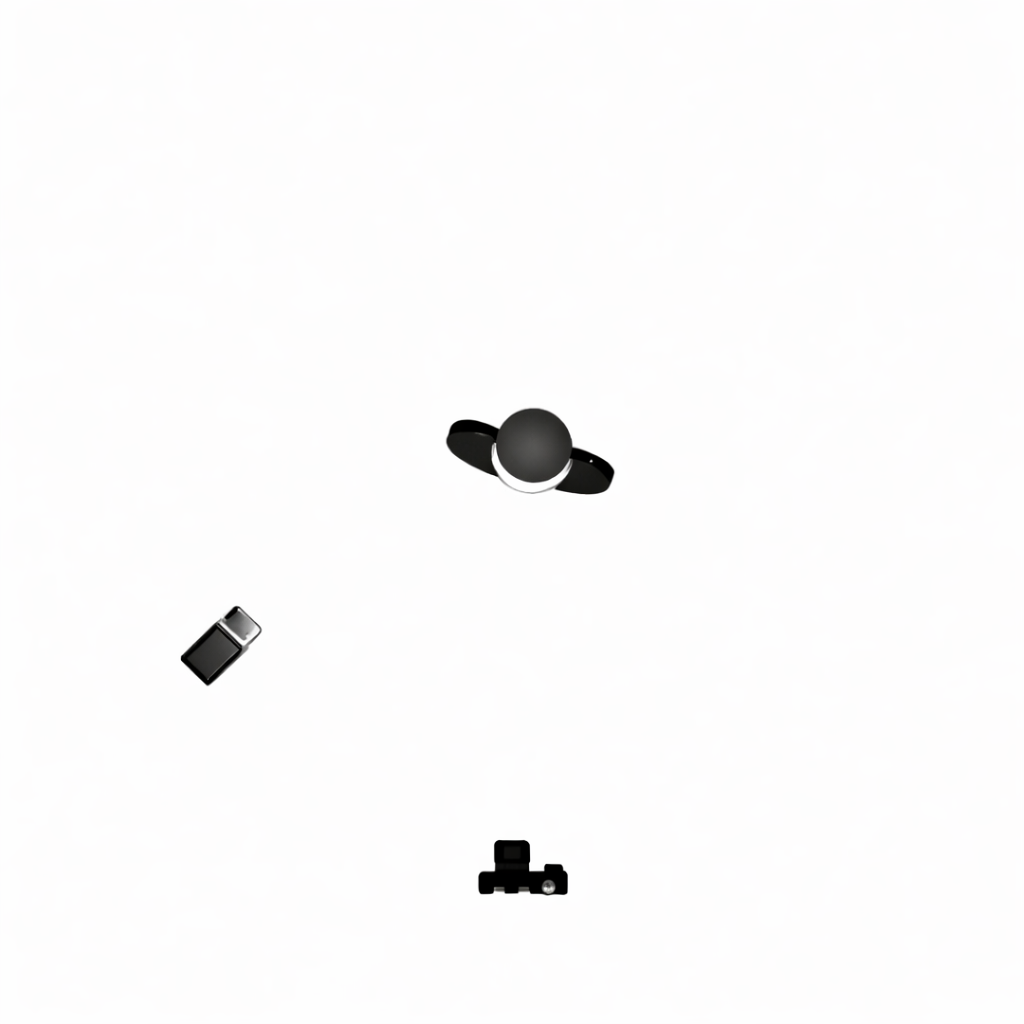
Place your subject facing slightly away from the light. Position your light high and angled downward, roughly 45 degrees from the camera and slightly above eye level. That’s the foundation.
From there, you refine.
The Importance of the 45-degree Angle
The 45-degree rule is not arbitrary. It is geometry working in your favor.
When the light sits approximately 45 degrees to the side and 45 degrees above the subject’s face, the nose casts a shadow that naturally meets the cheek shadow—forming that distinctive triangle.
Too low, and the effect disappears.
Too frontal, and the face flattens.
Too far to the side, and the triangle vanishes into full shadow.
Precision matters.
How To Master the Rembrandt Lighting
Mastering Rembrandt lighting is about observation more than equipment.
Study the shadow of the nose. Watch how it connects to the cheek. Adjust the height of your light by inches. Rotate your subject’s face subtly. Small refinements make a significant difference.
Start with a single soft light source—natural window light works beautifully. Practice on different faces. Notice how bone structure influences the shape of the triangle. Learn to adapt rather than forcing the setup.
When you understand why it works, you can control it. And when you can control it, you can bend it to your style—whether subtle and elegant or bold and cinematic.
Rembrandt lighting has survived centuries for a reason. It honors form. It respects shadow. And it reminds us that light is not just illumination—it is storytelling
Works
Portrait of a Man, 1632
The Night Watch, 1642
The Standard Bearer, 1654
If you’re serious about elevating your photography, return often. I’ll continue sharing technical insights, practical setups, and the kind of details that transform good images into unforgettable ones.